
"coffee smuggling"
800 article(s) found

Is Ivory Coast still among the top five coffee producers in the world today? What is the annual output?
Professional coffee knowledge exchange more coffee bean information please follow the coffee workshop (Wechat official account cafe_style) C ô te d'Ivoire is one of the largest producers in the world in terms of quantity. Ivory Coast has never produced the best quality coffee, and it rarely comes from Arabica coffee trees. In the early 1980s, it was the third place in the world.

Tanzania boutique coffee beans introduce Tanzania coffee producing area Tanzania coffee is unique.
Due to political instability and rampant diseases and insect pests, the coffee industry in Tanzania has been damaged, leading to a decline in the overall level of coffee and instability in quality, which in turn lead to lower prices, which are usually the result of a further decline in the coffee industry. What's more, it is estimated that more than 12% of the Arabica coffee grown in northern Tanzania from 1969 to 1985 was smuggled.

C ô te d'Ivoire is one of the largest producers in the world in terms of quantity
C ô te d'Ivoire has never produced the best quality coffee, and it rarely comes from Arabian coffee trees. In the early 1980s, it was the world's third-largest coffee producer, with an annual output of 5 million bags. Even today, it is still the fifth largest coffee producer in the world, with an annual output of 4.4 million bags. In terms of coffee production, C ô te d'Ivoire is second only to India.

The flavor characteristics of Tanzania boutique coffee the uniqueness of Tanzania boutique coffee Tanzania
Due to political instability and rampant diseases and insect pests, the coffee industry in Tanzania has been damaged, leading to a decline in the overall level of coffee and instability in quality, which in turn lead to lower prices, which are usually the result of a further decline in the coffee industry. What's more, it is estimated that more than 12% of the Arabica coffee grown in northern Tanzania from 1969 to 1985 was smuggled.

An introduction to the Fine Coffee of Tanzania the flavor characteristics of Tanzanian coffee
Due to political instability and rampant diseases and insect pests, the coffee industry in Tanzania has been damaged, leading to a decline in the overall level of coffee and instability in quality, which in turn lead to lower prices, which are usually the result of a further decline in the coffee industry. What's more, it is estimated that more than 12% of the Arabica coffee grown in northern Tanzania from 1969 to 1985 was smuggled.
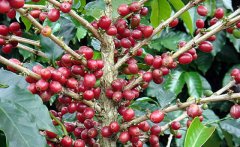
C ô te d'Ivoire is one of the largest producers in the world in terms of quantity
In terms of quantity, it is one of the largest producers in the world. C ô te d'Ivoire has never produced the best quality coffee, and it rarely comes from Arabian coffee trees. In the early 1980s, it was the world's third-largest coffee producer, with an annual output of 5 million bags. Even today, it is still the fifth largest coffee producer in the world, with an annual output of 4.4 million bags. That's it.
Introduction to boutique coffee beans-- the flavor of Tanzanian coffee the characteristics of Tanzanian coffee
Due to political instability and rampant diseases and insect pests, the coffee industry in Tanzania has been damaged, leading to a decline in the overall level of coffee and instability in quality, which in turn lead to lower prices, which are usually the result of a further decline in the coffee industry. What's more, it is estimated that more than 12% of the Arabica coffee grown in northern Tanzania from 1969 to 1985 was smuggled.

Introduction to the origin of boutique coffee beans the characteristics of Tanzanian coffee Tanzania coffee
Due to political instability and rampant diseases and insect pests, the coffee industry in Tanzania has been damaged, leading to a decline in the overall level of coffee and instability in quality, which in turn lead to lower prices, which are usually the result of a further decline in the coffee industry. What's more, it is estimated that more than 12% of the Arabica coffee grown in northern Tanzania from 1969 to 1985 was smuggled.
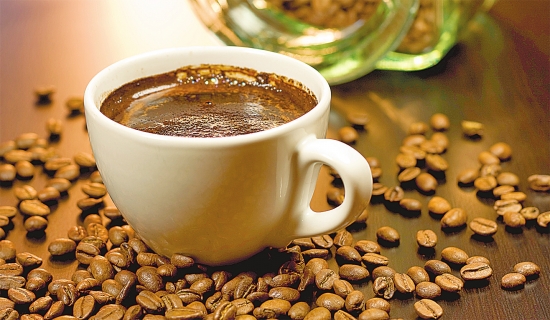
The flavor of Tanzanian coffee describes the flavor of Tanzanian coffee. How about Tanzanian coffee?
Due to political instability and rampant diseases and insect pests, the coffee industry in Tanzania has been damaged, leading to a decline in the overall level of coffee and instability in quality, which in turn lead to lower prices, which are usually the result of a further decline in the coffee industry. What's more, it is estimated that more than 12% of the Arabica coffee grown in northern Tanzania from 1969 to 1985 was smuggled.

Flavor description of Ugandan Elgon Coffee beans A brief introduction to the origin of taste grinding scale
Flavor description of Ugandan Elgon Coffee beans A brief introduction to the origin of grinding scale in order to improve the quality of coffee and reduce the cost, Uganda cancelled the exclusive right of the Coffee Management Committee (Coffee Marketing Board, referred to as CMB) in November 1990. Most of the work originally undertaken by the Coffee Management Committee has now been handed over to the cooperative organization. Made from privatized coffee

What coffee beans are produced in Honduras? is Honduran coffee good? Honduran coffee flavor.
More information on coffee beans Please follow the coffee workshop (official Wechat account cafe_style) it is believed that coffee was first introduced to Honduras by European businessmen at the end of the 18th century. Records show that by the mid-19th century, people had set up farms and began to grow coffee on a small scale. Honduras has the climatic and geographical conditions necessary to produce high-quality coffee

An introduction to the Origin and characteristics of Kopi Luwak in Indonesia
At that time, this kind of miraculous coffee was only for Europe, and it had to be transported by sailing for a long time, which made the coffee less acidic and tastier. In the more developed period of shipping, merchants had to store the coffee for several years to get a better taste. Storage also brings higher prices, inferior quality, and all kinds of smuggling are common. By the 1880s, Java coffee reached its peak, but delicate.

The origin of coffee beans is more and more popular.
Blue Bottle, one of the representatives of American boutique coffee, recently launched a coffee bean from the Yemeni company Port of Mokha, which is more expensive. The price of a single cup is $16, and the price of bagged coffee beans is $65, equivalent to 429 yuan. In addition to becoming the most expensive coffee bean in the Bay area, we can also take it with the boutique coffee.

The United States accounts for more than 20% of the world's annual coffee consumption.
At present, the annual coffee consumption of the United States accounts for more than ⒛% of the world, and it is the largest coffee consumer. But in the early British colonial period, the European immigrants in North America were mainly tea drinks, coffee was rare, and the culture of cafes was far inferior to that of Europe. At that time, there were no independent cafes in North America, and coffee drinks were sold in hotels, hotels, inns and restaurants, the most famous Green Dragon Cafe (GrcenDr)

Flavor and taste of Ugandan coffee beans the manor area introduces Uganda's boutique coffee beans.
In order to improve the quality and reduce the cost of coffee, Uganda cancelled the exclusive management right of the Coffee Management Committee (Coffee Marketing Board, referred to as CMB) in November 1990. Most of the work originally undertaken by the Coffee Management Committee has now been handed over to the cooperative organization. Privatized coffee accounts for 2% of the country's export revenue, so the government levies coffee shops.
The annual coffee consumption in the United States accounts for more than 20% of global coffee sales.
At present, the annual coffee consumption of the United States accounts for more than ⒛% of the world, and it is the largest coffee consumer. But in the early British colonial period, the European immigrants in North America were mainly tea drinks, coffee was rare, and the culture of cafes was far inferior to that of Europe. At that time, there were no independent cafes in North America, and coffee drinks were sold in hotels, hotels, inns and restaurants, the most famous Green Dragon Cafe (GrcenD)

Introduction of Grinding scale for Coffee Bean Variety characteristics of Esmeralda Manor in Panama
Brazilian Bourbon Santos Brazil is located in South America, about 15 degrees south latitude. Brazilian coffee culture began in 1727 and sprang up in the north of Brazil when a Mr. Francesco de MeloPalheta smuggled coffee seeds from France to Brazil. At that time, this was strongly opposed by the French who monopolize the coffee business today. Those seeds are.

The origin of coffee beans is more and more popular, which is part of the brand story.
Blue Bottle, one of the representatives of American boutique coffee, recently launched a coffee bean from the Yemeni company Port of Mokha, which is more expensive. The price of a single cup is $16, and the price of bagged coffee beans is $65, equivalent to 429 yuan. In addition to becoming the most expensive coffee bean in the Bay area, we can also take it with the popularity of fine coffee.

Cote d'Ivoire Coffee Estate Flavor Description Processing Characteristics Variety Taste Introduction
In October and November 2010, the branch held two rounds of presidential elections, the opposition Republican Alliance candidate Ouattara, the Popular Front party candidate, outgoing President Gbagbo into the second round. In early December, the Independent Electoral Commission of Côte d'Ivoire declared Ouattara elected, while the Constitutional Council declared Gbagbo re-elected. The two men were subsequently sworn in and formed their respective governments.
Introduction of Brazilian Hilado Coffee Bean Flavor Variety introduction of producing area Distribution Manor
The exchange of professional baristas please follow the coffee workshop (Wechat official account cafe_style) located in South America, Brazil began to grow coffee in 1727. At that time, coffee seeds were smuggled by Francisco de Mello Palheta from the neighboring French colony (French Guiana) in northeastern Brazil. In 1845, total coffee production in Brazil